Physical Address
304 North Cardinal St.
Dorchester Center, MA 02124
Physical Address
304 North Cardinal St.
Dorchester Center, MA 02124

From the scorching deserts of Arizona to the humid backcountry of Florida and the rugged peaks of Colorado, a successful day hike starts long before you hit the trail.
The wilderness doesn’t care how experienced you think you are. Weather changes, trails disappear, daylight fades, and even a short hike can turn into a serious test of preparation.
You don’t need to carry everything you own. You need reliable gear, a clear plan, and the confidence to handle unexpected situations.
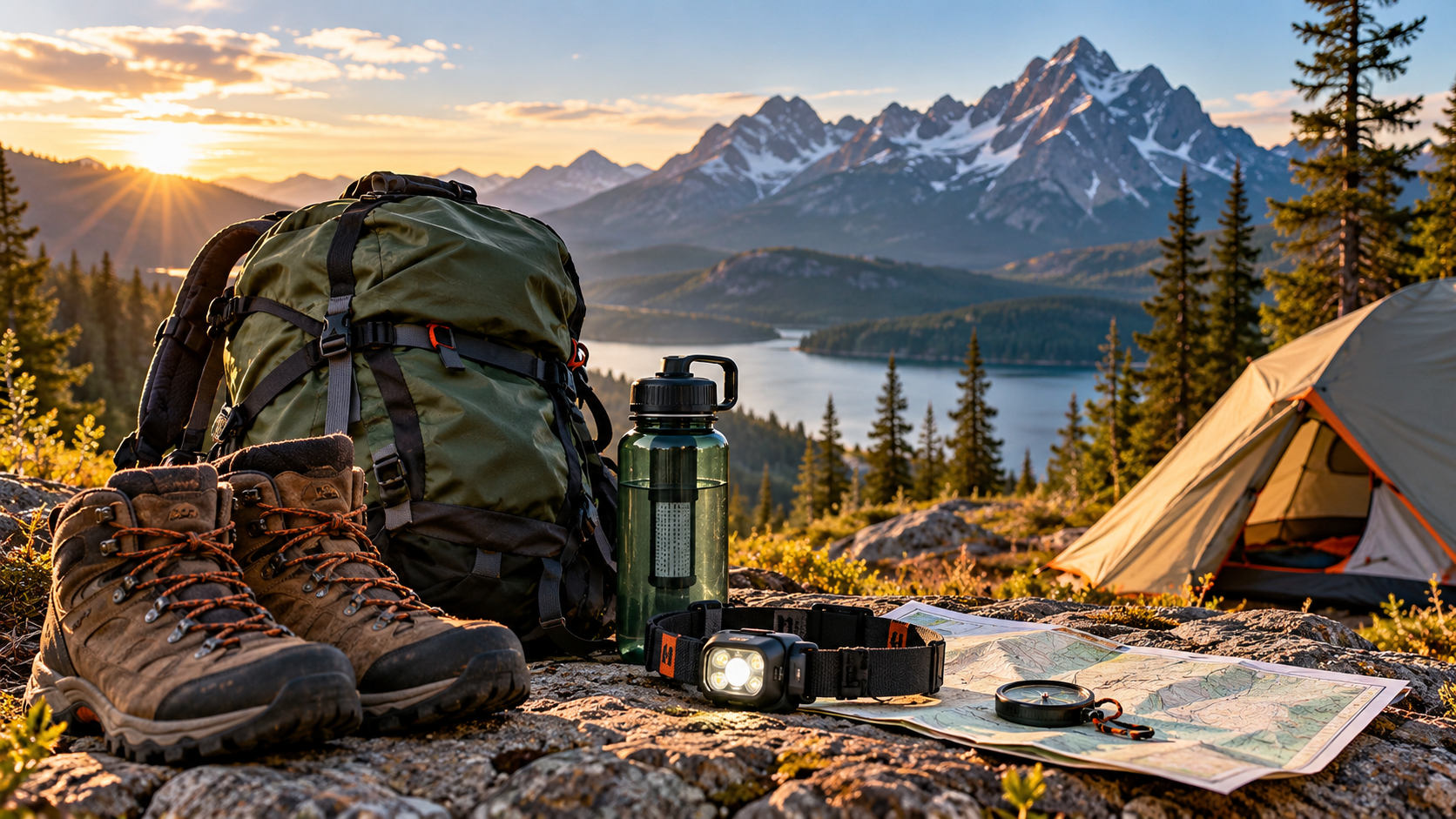
Here are seven essential pieces of equipment every serious day hiker should consider before heading into the backcountry.
Your boots are the foundation of every mile you cover.
Rocky climbs, muddy trails, loose gravel, and uneven ground can turn an otherwise great adventure into a miserable experience if your footwear isn’t up to the challenge.
The Gear: Choose lightweight hiking shoes or mid-cut boots with aggressive traction, breathable materials, and dependable support.
Quick-drying fabrics are especially valuable in wet environments, while durable outsoles provide better grip on challenging terrain.
The right footwear should match the trail, fit your feet properly, and feel comfortable long before your first serious hike.
The Rugged Tip: Never break in a new pair of hiking boots on a demanding trail. Test them on shorter hikes first.
A poorly packed backpack can wear you down faster than the trail itself.
Weight distribution, ventilation, and accessibility matter when you’re covering miles under the sun or climbing steep terrain.
The Gear: A 15–25-liter daypack is a practical starting point for many day hikes, although colder weather, remote routes, and additional safety equipment may require more capacity.
Look for breathable back panels, adjustable shoulder straps, a secure hip belt when appropriate, and weather-resistant construction.
Your pack should keep essential supplies organized, protected, and within easy reach.
The Rugged Tip: Keep frequently used items near the top of your pack. Heavy items should sit close to your back to improve balance.
Deep canyons, dense forests, and remote mountain trails have one thing in common: cellular service can disappear when you need it most.
Depending entirely on your smartphone’s connection is a gamble that experienced hikers avoid.
The Gear: Download detailed offline maps using navigation apps such as Gaia GPS or AllTrails before leaving home.
For remote or higher-risk routes, consider carrying a dedicated satellite communicator, such as a Garmin inReach, for emergency messaging and location sharing where supported.
A physical map and compass provide another valuable layer of backup, provided you know how to use them.
Remember that satellite devices also have limitations, including obstructed sky visibility, battery life, and subscription requirements.
The Rugged Tip: Share your planned route and expected return time with someone you trust before entering the wilderness.
Dehydration can destroy your endurance, impair judgment, and turn a manageable hike into a dangerous situation.
Carrying enough drinking water is essential, but additional treatment options can provide an important backup.
The Gear: Start your hike with an adequate supply of clean drinking water. For routes with dependable natural water sources, a lightweight filtration system such as the Sawyer Squeeze or Katadyn BeFree can be useful.
These filters can remove many bacteria and protozoa when used correctly, but they do not reliably eliminate every virus or chemical contaminant.
Water from questionable sources may require additional treatment, and some sources should be avoided entirely.
In hot, dry environments, never assume that water will be available along the trail.
The Rugged Tip: Plan your water supply around temperature, distance, elevation gain, and verified refill locations. A filter is a backup tool, not a substitute for planning.
Experienced outdoorsmen don’t expect things to go wrong. They prepare for the possibility.
An unexpected injury, sudden storm, or navigation mistake can leave you exposed long after your planned return time.
The Gear: Carry a compact emergency bivy sack or lightweight weatherproof shelter appropriate for the conditions.
Some emergency bivy models weigh less than 200 grams and pack down small enough to fit in a jacket pocket.
Reflective bivy materials can help reduce radiant heat loss, while a properly designed shelter provides protection from wind and precipitation.
However, an emergency bivy is not a complete substitute for an insulated sleeping system in extreme cold.
The Rugged Tip: Know how to deploy your emergency shelter before you need it. Practice at home, not in the middle of a storm.
Darkness doesn’t wait for you to finish your hike.
A delayed descent, an unexpected detour, or a simple miscalculation can leave you navigating difficult terrain after sunset.
The Gear: Choose a dependable headlamp with adjustable brightness, a comfortable headband, and sufficient battery life for your planned route.
A red-light mode can help preserve night vision during certain camp or navigation tasks.
Carry spare compatible batteries or an appropriate backup power source, and protect them from moisture and damage.
A smartphone flashlight can help in an emergency, but it shouldn’t be your only source of light in remote terrain.
The Rugged Tip: Test your headlamp before every hike. Check the battery level and make sure you can operate it with cold or wet hands.
When conditions deteriorate, simple and reliable tools become valuable.
A sturdy knife can handle cutting cordage, preparing materials, repairing equipment, and other practical tasks in the backcountry.
Fire-starting equipment may provide an additional emergency option where fires are permitted and conditions are safe.
The Gear: A compact fixed-blade knife with full-tang construction offers durability for demanding outdoor tasks, although a lightweight folding knife or multitool may be sufficient for ordinary day hikes.
Pair your cutting tool with a dependable lighter, waterproof matches, or another suitable fire-starting method.
Keep ignition materials protected from moisture and carry a backup when appropriate.
No lighter or fire starter works flawlessly under every environmental condition. High winds, wet fuel, altitude, and extreme cold can make fire-starting difficult or impossible.
Always follow local fire restrictions, particularly in wildfire-prone regions.
The Rugged Tip: Carry reliable tools, but learn how to use them safely. Skill and judgment matter more than the size of your knife.
The difference between a memorable adventure and a dangerous situation often comes down to the decisions made before leaving home.
Reliable equipment matters, but gear alone won’t keep you safe.
Check the weather. Study your route. Carry adequate water. Understand the terrain. Know your limitations.
And remember: these seven gear categories are a starting point, not a complete wilderness safety checklist. Appropriate clothing, sun protection, first-aid supplies, food, and other essentials deserve a place in your hiking plan.
The wilderness rewards preparation, awareness, and respect.
Choose your trail. Pack with purpose. Stay ready for the unexpected.
The Rugged Edit — Built for the Wild.